Venue
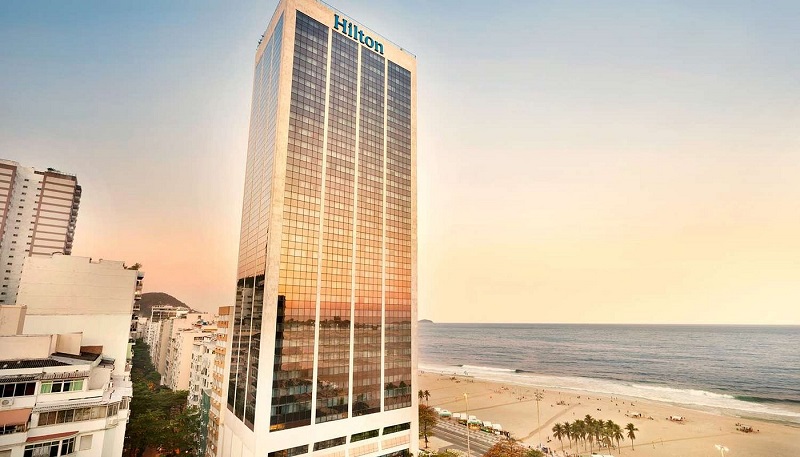
The conference hotel: Hilton Rio de Janeiro Copacabana
Address: Av. Atlântica, 1020 - Copacabana, Rio de Janeiro - RJ,Brazil
Web: https://www.hilton.com/tr/hotels/riocchh-hilton-rio-de-janeiro-copacabana/
Email: Lucas.Cardoso@Hilton.com
Telephone: +55 21 3501-8000
Map link: https://maps.app.goo.gl/yC2t8Pe74oXkvmht8
Rio de Janeiro, Brazil
Rio de Janeiro, often simply called Rio, is one of Brazil’s most iconic cities, renowned for its breathtaking natural beauty, vibrant culture, and lively atmosphere. Nestled between lush green mountains and the Atlantic Ocean, Rio is famous for its stunning landscapes, including the dramatic peaks of Sugarloaf Mountain and the towering presence of Christ the Redeemer, a world-famous statue perched atop Corcovado Mountain. As Brazil’s second-largest city, with a population of over 6 million people, Rio is a bustling metropolis that blends urban life with a laid-back beach culture, making it a unique destination for travelers and a beloved home for its residents.
The city’s history is as colorful as its present-day charm. Founded in 1565 by Portuguese colonists, Rio de Janeiro grew into a key port during the colonial era, especially during the gold rush of the 17th and 18th centuries. It later served as the capital of Brazil from 1763 until 1960, when Brasília took over that role. This rich history is reflected in Rio’s architecture, from colonial buildings in the historic downtown area to the modern structures that define its skyline today. The city’s past as a melting pot of Indigenous, African, and European influences continues to shape its cultural identity.
No visit to Rio is complete without experiencing its world-famous beaches, Copacabana and Ipanema. These stretches of golden sand are more than just scenic spots—they’re the heart of Rio’s social scene. Locals and tourists alike gather here to sunbathe, play volleyball, or sip on caipirinhas, Brazil’s national cocktail made with cachaça, lime, and sugar. The beach culture is a defining feature of carioca (the term for Rio’s residents) life, where flip-flops and a relaxed attitude reign supreme, even amidst the city’s fast-paced energy.
Rio is perhaps best known globally for its annual Carnival, a dazzling celebration that draws millions of visitors each year. Held just before Lent, this festival transforms the city into a whirlwind of samba music, extravagant costumes, and street parties known as blocos. The Sambadrome, a purpose-built parade avenue, hosts the main event where samba schools compete in a spectacle of dance and creativity. Carnival is not just a party—it’s a deep expression of Rio’s cultural heritage, uniting people from all walks of life in a shared celebration of joy and rhythm.
Beyond the festivities, Rio offers a wealth of natural wonders for adventurers and nature lovers. The Tijuca National Park, one of the world’s largest urban forests, is a haven of hiking trails, waterfalls, and wildlife, all within the city limits. Visitors can explore its paths to escape the urban hustle or catch panoramic views of Rio from its many lookout points. The combination of dense rainforest and coastal scenery makes Rio a standout destination for those seeking both outdoor exploration and city life.
The culinary scene in Rio is another highlight, reflecting the city’s diverse influences. Traditional Brazilian dishes like feijoada—a hearty black bean stew with pork—are a must-try, often enjoyed with a side of farofa (toasted cassava flour) and a cold beer. Seafood lovers will find plenty to savor, from fresh fish to moqueca, a flavorful stew cooked with coconut milk and spices. Street food, such as pão de queijo (cheese bread) and tapioca pancakes, offers a quick and delicious taste of local flavors, while upscale restaurants in neighborhoods like Leblon cater to more refined palates.
Despite its many attractions, Rio faces challenges that are part of its complex identity. Issues like economic inequality and urban safety have long been topics of discussion, with favelas (informal settlements) dotting the hillsides as a reminder of the city’s social disparities. However, these communities are also hubs of creativity and resilience, contributing to Rio’s music, art, and cultural dynamism. Efforts to improve infrastructure and security, especially ahead of global events like the 2016 Summer Olympics, have aimed to address these issues while showcasing Rio’s potential.
In essence, Rio de Janeiro is a city of contrasts—where natural beauty meets urban grit, and tradition blends seamlessly with modernity. Whether you’re drawn by the promise of samba beats, the allure of its beaches, or the chance to stand beneath Christ the Redeemer, Rio offers an unforgettable experience. It’s a place that captures the spirit of Brazil itself: vibrant, diverse, and endlessly captivating, inviting visitors to dive into its rhythm and discover its soul.
ACDSA
International Conference on Artificial Intelligence,
Computer, Data Sciences and Applications
Contact
ECER EventsWorld Wide Commercial Building, No:72
Al Hilal, D Ring Road, Doha, Qatar
WhatsApp: +974 72021173
E-mail: info@acdsa.org
Social Media


